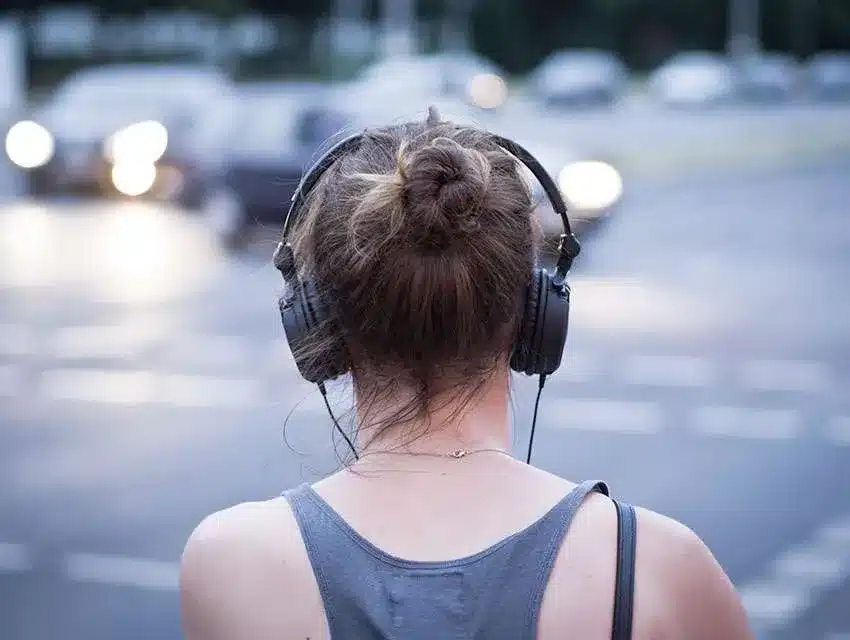
In 2025, music still fills the air, but most of it drifts past unnoticed. The average person has access to every song ever recorded, but they are more likely to spend their evening staring half, or even quarter engaged, with a myriad of different media forms.
In the 90s, even the casual listener had a relationship with music that demanded some effort. You saved up, went to a shop, thumbed through racks, spoke to other people in those shops, and took something home that you would physically wear out. Now, the public wants to make chips in the air fryer while Spotify serves them an algorithm-approved background playlist. The hunger for music has been replaced by grazing. The artists still pushing against this indifference deserve to know exactly what they are up against.
Physical Sales Are Now Nostalgia Pieces in 2025
The 90s music scene was defined by ownership. Shelves full of jewel cases and vinyl were as much a part of someone’s personality as the clothes they wore. Now, those shelves gather dust or sit in charity shops waiting for a buyer who never comes. Vinyl has a boutique audience, but it is not a lifeline for most working artists. CDs have almost vanished from mainstream retail. You’d be hard-pressed to find them in HMV behind all the Kawaii plushies, Manic Panic hairdye and overpriced Japanese snacks.
Digital downloads, once the brave new world, have become a safety net for the paranoid fan who fears a favourite album will disappear from streaming overnight. For the rest, a subscription gives them all they want, which often means all they can be bothered to hear. Artists cannot bank on a sale any more; they are renting their work to people who treat it as one disposable distraction among many.
Live Music Has Lost Its £50 Bloke
Once upon a time, every band could rely on the £50 bloke. He was not necessarily a superfan, but he went to shows regularly, bought a ticket, a T-shirt, a pint or two, maybe even the CD. He kept the tills ringing. In 2025, he has been priced out or distracted out. The casual gig-goer now weighs up the cost of entry against staying in with a takeaway. Tickets are more expensive, travel is a hassle, and the competition for attention is not another band but a whole culture of stay-at-home convenience.
The superfans remain. They follow tours from city to city, claim their spot at the barrier, and learn the setlist before the third night. For artists, they are both a blessing and a faint source of unease; the kind of devotion that makes you grateful but also wary when you keep seeing the same face in multiple postcodes. But these people cannot replace the casual crowd. Without the £50 bloke, mid-tier touring becomes a brutal numbers game where every empty spot on the floor is a lost pint, a lost shirt sale, and a dent in morale.
Radio Is No Longer a Kingmaker
In the 90s, if a DJ put your song on the radio, you could feel the momentum building. Radio was discovery, it was validation, it was a sign that you had crossed some invisible line into public consciousness. In 2025, radio still matters for certain demographics, but it has been sidelined by playlists that slot your song between a corporate coffee brand advert and an algorithmically selected track by someone with no audience at all.
The average listener does not think about who made the playlist or why a song appeared there. They do not seek out the rest of your record. They click a heart or they skip. A song can rack up millions of streams without building you a real audience. The algorithm’s invisible hand feeds the public like a machine dispensing snacks — they are consumed without thought, and the wrapper is thrown away before anyone remembers the name on it.
From Shared Soundtracks to Cultural Isolation
The golden era of 90s indie was a national conversation. Everyone knew the same songs. They were in the pubs, on the radio, in the clubs, at the bus stop. Bands like Pulp or Blur were reference points for people who might have nothing else in common. Now, music is a private experience, locked inside headphones, fed to each listener in personalised streams.
For artists, this means your reach is fractured. You might have a dedicated base, but they are fenced off in their own micro-scene. They might never bump into another fan in the real world. They might never even talk about your music to anyone else. There is less chance of accidental discovery in the wild, and less chance that your track becomes part of a wider cultural moment. This suits the casual listener, who can move between genres without commitment, but it makes it harder for artists to create movements. The audience is there; they are just scattered and distracted.
Music Still Hits, But It Fights for Space
Even in 2025, music can change someone’s mood in seconds. A song can still pull a person out of their head, make them feel less alone, make them feel something worth keeping. That has not gone. What has changed is how much of a person’s attention music gets. It is competing with every other form of media, with constant notifications, with the dopamine drip-feed of content.
The average listener treats music like a condiment. It is there to improve another activity — cooking, commuting, working — rather than something that gets its own time. The superfan still gives music the full stage. They read lyrics, they collect physical merch, they save up for multiple gigs, and they form friendships in queues. But the gulf between the two camps has never been wider.
Conclusion
For artists working in the UK today, the fight is not for access to an audience — that part is easier than it has ever been — but for attention, loyalty, and value. The infrastructure that once supported the average band has shifted. Physical sales are sentimental objects, radio is background chatter, the £50 bloke has gone missing, and the casual listener has a thousand other options for their free time.
Yet music still matters in 2025. It still connects, still stirs, still survives. The challenge is getting it past the noise and into the lives of people who have been trained to take it for granted. The artists who adapt, who learn to navigate both the superfans and the casual grazers, will find ways to keep their work alive. The rest will have to decide if they can live with being another track on someone’s background playlist while the chips finish cooking.
Article by Amelia Vandergast