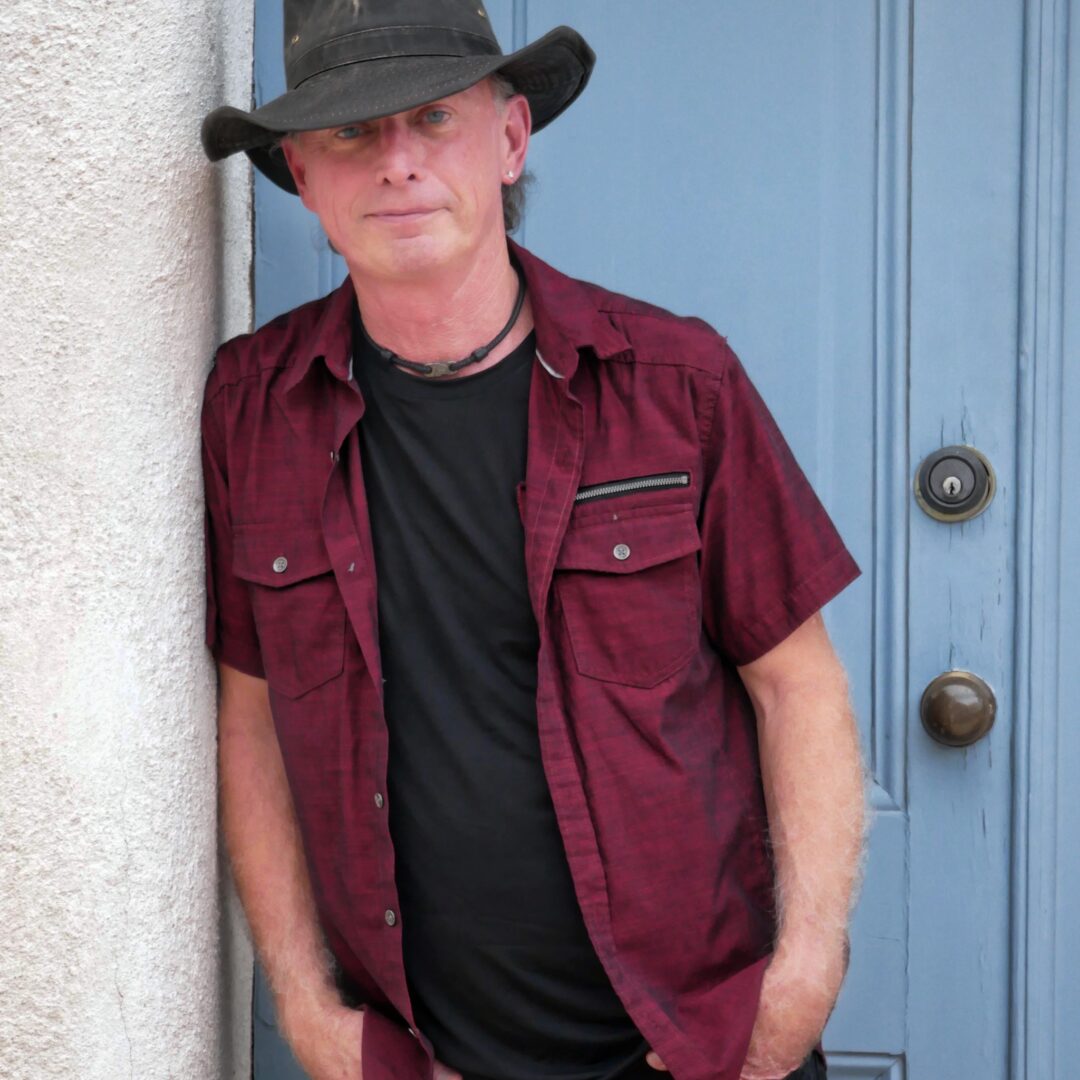
Mitch Freimark sits right at the fault line where traditional country storytelling, Southern rock voltage and AI disruption collide. In this interview, he speaks plainly about using SUNO and his AI vocal character Cade Nichols to finally give decades of unheard songs the voices he had been carrying in his head. Freimark also pushes back against the “AI slop” argument, making a case for lyrics, guitar parts, lived experience and human authorship as the real foundation of his work.
Welcome to A&R Factory, Mitch Freimark, we’re excited to have you here as your new music opens up a huge conversation around AI vocals, real musicianship, and keeping the soul of Southern rock alive.
You’ve been clear that the songs, lyrics, guitar parts and playing are yours, while AI helped you find the voice each track needed. What made AI feel like the right tool after years of these songs sitting unheard?
All these years sitting on songs only I believed in and knowing I wouldn’t do any of them justice with my limited vocal range was frustrating and finding the right vocalist to bring them to life was impossible. Hiring singers, studio musicians, and producers for every song simply isn’t realistic for an independent songwriter.
When I discovered SUNO, I didn’t see it as a shortcut—I saw it as an opportunity. It allowed me to finally hear my songs the way I intended them to be sung. More importantly, allowed me match each song with the voice bouncing around in my head that fit the emotion and personality of the story I was trying to tell.
I don’t believe I have a “style” in the way I write because every song has its own identity. Some need a gritty rock vocal, some need a modern country voice, and others need something more emotional and vulnerable. AI gave me the ability to experiment and find the voice that best served the song rather than forcing every song into the limitations of the resources I had available, me. LOL
At the end of the day, the songwriting is still the foundation. The lyrics, melodies, guitar work, and overall vision come from me. AI didn’t create those songs—it helped me finally share them with the world in a way that felt complete.
AI became the bridge between ideas that lived on paper and finished recordings people could actually hear. For me, it wasn’t about replacing musicianship—it was about removing barriers that kept my music locked away for years.
There’s a lot of knee-jerk anger around AI vocals, with people writing songs off before listening properly. What do you think those critics miss when they dismiss your music as ‘AI slop’?
I want to be very clear, I’ve never shied away from the fact I’m using AI. I think a lot of critics hear the words “AI vocals” and stop listening. They assume the computer wrote the song, felt the emotion, and did all the creative work. In my case, the songwriting is still all me. The stories, lyrics, themes, melodies, and production decisions come from me. AI is simply the voice delivering the performance. But that doesn’t matter to the hardcore No AI Allowed.
To address the ‘AI slop,’ it’s their opinion, but I’d ask them to judge the song itself. Do the lyrics connect? Does the melody stay with you? Does the story mean something to someone? Those are the same standards we’ve always used for music. FYI, I normally run my new songs by my musician friends, my brother Todd and my sons Nick and Mitchell – if they like it, I know it’s a winner.
What critics don’t see is many independent artists now have access to ways of bringing their songs to life that would have been financially impossible a few years ago. I don’t use AI to replace creativity—I use it to amplify it. Nobody calls a photographer less of an artist because they use Photoshop, or a filmmaker less creative because they use CGI. Technology changes, but creativity still matters. AI is just another tool in my arsenal of creativity.
Since all my songs all start with a blank page and AI can’t replace having something meaningful to say. Example: “Jesus Musta Been Country” honoring hardworking ranch women, or “Middle of Nowhere”(to be released in July) built around a personal South Dakota road-trip experience. The emotion in my songs comes from real experiences, real people, and real places. AI didn’t grow up around ranches, drive across South Dakota, or meet the people who inspired those stories. I did. The technology may sing the words, but it didn’t live them.
Your fans clearly connect with the songs, regardless of the voice being AI-generated. Does that reaction feel like validation that the writing itself was always strong enough to reach people?
Absolutely! If there’s one thing this journey has reinforced for me, its people connect with my songs because of how it makes them feel, not because of the technology used to create the music. Listeners don’t know the countless hours spent writing lyrics, reworking melodies, refining guitar parts, and shaping a story until it says exactly what you want it to say. They just know whether a song moves them.
I’ve always believed, Great Songs will find their way to the listeners. Not all of my work will be considered great, but its close and people enjoy listening to it and for me that’s all that matters.
When someone messages me saying a song reminded them of a person they love, a place they miss, or a chapter of their life, they’re responding to the writing. They’re responding to the story and the emotion behind it. That’s incredibly validating because it tells me those songs had something worth saying all along.
AI never created the fan connection—it simply helped remove the barriers that kept my songs from being heard. The response from listeners has confirmed what I hoped for years: that the strength of a song ultimately comes from the idea, the story, and the emotion behind it. Everything else is just the vehicle that carries it to the audience.
Cade Nichols may be AI, but you describe him as the voice that finally brought the songs to life. How did you know that specific vocal character carried the country feeling you had in your head?
When I started experimenting with AI vocals, I went through countless variations. Some sounded technically good, but they didn’t feel authentic to the stories I was telling. Then I found a vocal style that became Cade Nichols, and something clicked. The voice had the balance I was looking for—modern enough to fit today’s country music, but rooted enough to carry themes of family, hard work, small towns, faith, heartbreak, and resilience.
The best way I can describe it is that I stopped noticing the technology and started hearing the song. That’s when I knew I had found the right voice. Cade wasn’t created to replace the music; he became the vehicle that finally allowed the music to sound the way I’d been hearing it in my head for years.
At the end of the day, listeners don’t connect with Cade because he’s AI. They connect because the voice serves the story. If people believe the emotion, believe the character, and believe the song, then the voice is doing exactly what it’s supposed to do.
You learned guitar in a wonderfully non-traditional way, starting with that VFW gig at 15 after Boyce Bender got your mum’s permission. What did that night teach you about playing for real people?
This memory is vivid; and like a movie I can replay it anytime in my mind. I was scared shitless. Never having played in front of people. Boyce owned the crowd and I learned that making mistakes was okay, laugh it off and move on. You learn how to play when you play live. I was Boyces lead guitar player for 4 years until my sophomore year of college and I learned “how” to play guitar from that man.
Your sound sits in raw country storytelling and Southern rock energy. What do you still want modern country music to uphold?
I hope modern country music never loses its commitment to honest storytelling. Trends change, production styles evolve, new technology will continue to shape how music is made, but country music has always been at its best when it tells real stories about real people.
The songs that have stayed with me throughout my life weren’t necessarily the biggest hits, they were the ones that made me feel something. Songs about family, hard work, heartbreak, faith, small towns, sacrifice, and resilience. Those themes are timeless because they’re part of the my experience.
Whether it’s a traditional country ballad, a Southern rock anthem, or a song created with modern tools like AI vocals, what matters most to me is that the listener believes it. If the story is honest and the emotion is genuine, then country music is doing what it’s always done best: connecting people through shared experiences.
You’ve spent decades writing songs that no one seemed to want until now. How does it feel to finally hear them standing up, breathing, and finding listeners?
I’ll admit, I shed a tear when “Jesus Musta Been Country” was finished. It was the hand of God that helped write that song. The song “Daddy” was written 16 years ago, but the final verse only made sense in 2026 now that both of my sons are young men. So yes, the feeling of seeing these songs take their first steps is very emotional because each one of them is about real places, real people that shaped me into the person I am today.
In a way, it feels like watching old friends finally get their chance to speak. Some of these songs waited years, even decades, for the right moment and the right voice. They carried stories about people, places, heartbreak, hope, and life experiences that mattered to me. Now they’re finding their way into other people’s lives, and that’s extremely gratifying for me.
What I’ve learned is that a good song doesn’t ever expire. Sometimes it just has to wait for the world to catch up to it—or in my case, me, the songwriter, to finally find a way to let his songs be heard.
As more artists start experimenting with AI, where do you personally draw the line between useful creative technology and something that loses the human heart of the song?
Great question btw. My humble pie opinion is the moment technology starts replacing the human perspective instead of supporting it, we all lose something important and its easily felt in the so called “Push Button Song” AI can create. That’s my line in the sand, that’s your AI Slop.
AI can generate words, but it hasn’t fallen in love, lived through a divorce, or watched a parent die from cancer, buried a friend, worked a difficult job, or stood in the “Middle of Nowhere” wondering what comes next. Those are human experiences and what gives songs meaning.
In my own work, I view AI is a tool, not the author. AI helps me find the voice that can carry those stories, but it didn’t create the reasons those stories needed to be told.
I think listeners can sense the difference. If technology helps artists express something genuine rather than manufacture something empty, I think it has a place in music.
The next generation of music producers, I hope they learn to write their own songs, to play the instruments, and if blessed, use their own voice.
–
Discover the artist’s discography on Spotify.
Interview by Amelia Vandergast